

Body of Sin: Body Horror, Gender Bedevilment, Disability and Catharsis
(spoilers ahead!)

Martyr or monster is a choice often presented to women in horror. “What would you do to live or to save a life?” is the eternal question asked of heroines and villains alike. Malignant, and other films that exist in the same vein of horror, offer women an out. Malignant’s central character is that of a woman named Madison. Intimidated into staying with her abusive husband, all while fearing for the safety of her unborn child, she is subjected to physical violence shortly into the film. This act of violence culminates in the mysterious murder of her abuser, another physical attack against her at the hands of an unknown assailant, and the loss of her 4th unborn child within a two-year time period. Madison is soon plagued by increasingly frequent and violent waking nightmares, which she suffered from during her childhood years.
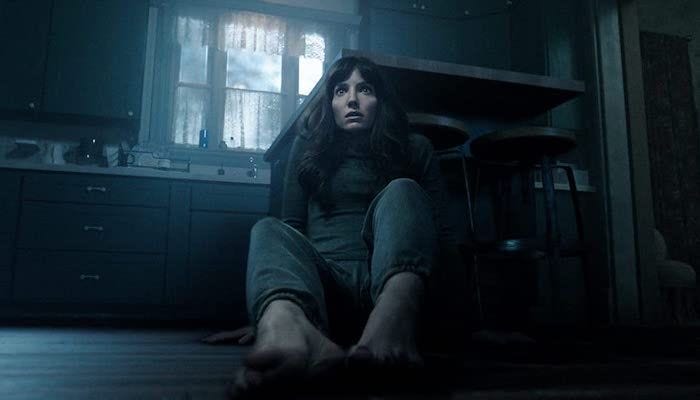
Murders begin occurring and after a lot of confusion and unpredictable segues, it is discovered that Madison is —not only— adopted, but also living with a parasitic twin, Gabriel, who shares a brain with her, but had his body removed when he began to endanger Madison and those around her during their shared childhood. As it turns out, Madison had been committing the murders of the medical team who performed the removal of Gabriel’s body many years ago, because Gabriel had been forcing her into a fugue state and controlling her body, after spending two years siphoning the nutrients from her womb. A lot more chaos ensues but I’ll leave any further spoilers out. This all sounds very outlandish and impossible to execute in a way that isn’t a giant clusterfuck, but James Wan somehow pulled it off.
The concepts and realities of women (and those socialized as such) plagued by bodies and minds that are seemingly uncontrollable, are not unheard of. Films such as The Brood, Possession and even the more recent Possessor and Raw follow the canon of ‘the uncontrollable woman’ or ‘the woman plagued’. Tales of excision, female hysteria and such are ultimately as old as time. The woman loosed by sudden, inexplicable madness isn’t foreign to the horror genre, but it’s a bit rare to see a work of art—specifically created by cisgender men— that so adequately ecapsulates the experience of inhabiting a body that has ultimately been pigeonholed into a standard that exists for the sake of others’ comfort or pleasure. This isn’t exclusive to “womanhood” by any means, as the ideal of body horror is very much based on varying identities. However, the experiences of women and—quite frankly—anyone who simply isn’t an abled cis heterosexual man are the narratives that deserve the forefront.
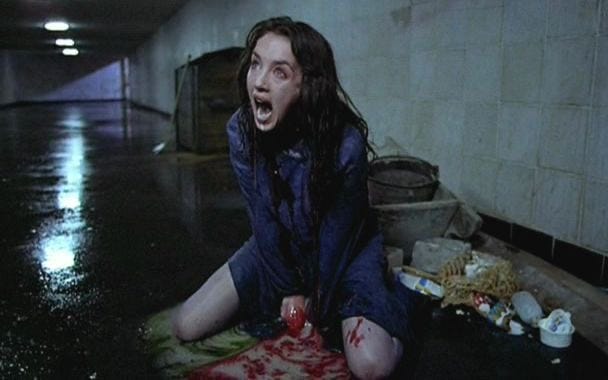
As someone who is non-binary, disabled (I was diagnosed with chronic pain 6 years ago), and Black, stories that feature body horror and ultimate catharsis resonate more than most other horror tropes. I often feel that my body is not mine to inhabit, let alone control. I will always ultimately exist within tiny confines between checked boxes. Most days, my body and mind are that of someone who has me blindfolded yet burdened with the responsibility to keep shit from hitting the fan. This isn’t solely because of simply one of my identities, but all of them whether independently or comorbidly.
The coveted scream queen roles are posited as the end all be all of women in horror, by those unfamiliar with the broad genre or simply misogynistic. There are women who consume everything or everyone around them, scream into the nights, and wake to the feeling of shattered bones. And every single one of them is me; someone who is no woman at all but treated as such solely because of how I have to assimilate into a gender that is not my own. But I see the snarling woman and think of every woman who has ever held me. I gaze lovingly at a trans friend and wonder if they want to distend their own jaw to see what’s underneath that timid bite. There is something guttural in all of us.