

FKA Twigs’s MELI55X: Docility, Desirability and the Will to Liberate Oneself

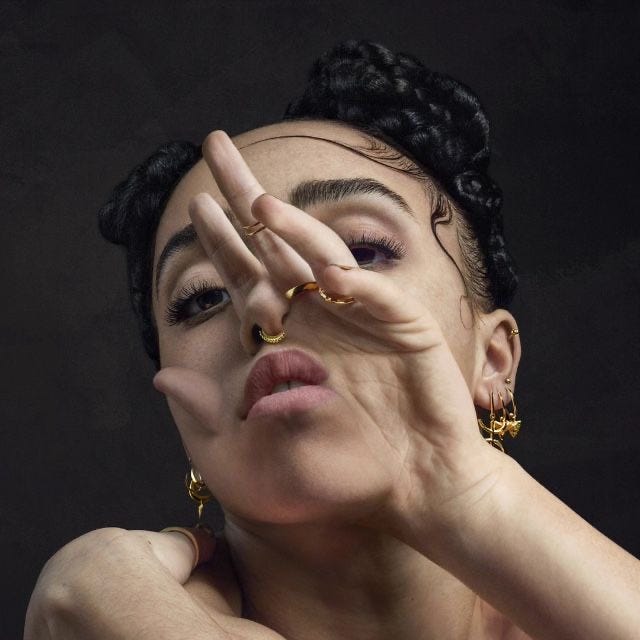
FKA Twigs’s experimental short film, M3LI55X, opens with her ominous, yet enchanting track Figure 8. Michèle Lamy is the star of this act, and is costumed as an angler fish adorned in gold. The duration of this act features Michèle leering into the camera, laughing, or staring pensively off camera into a dimly lit landscape. “I’ve a baby inside / But I won’t give birth / ‘Til you insert yourself inside me”, Twigs sings. There is something borderline indescribable about the belief of the possibility of creation that she sings of.
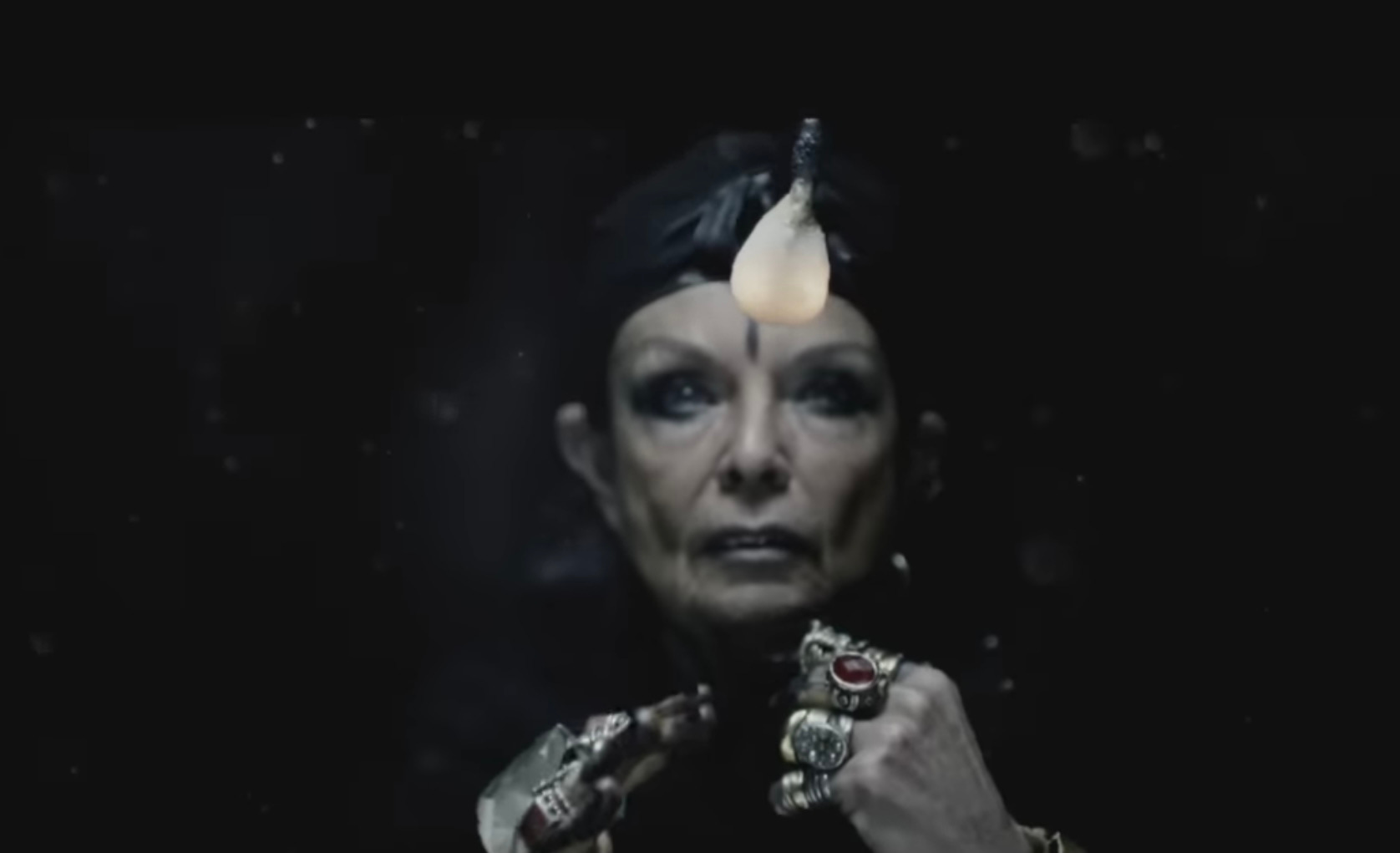
Perhaps she croons of what too many women often believe to be true: if I’m wanted, then something good will burst forth and I will know the truth of myself and love. That deep seeded yearning is often weaponized against women and wielded like a knife at the base of the skull. As Figure 8 comes to an end, Michèle Lamy opens her mouth and out floats a blow-up doll version of FKA twigs, contorted, as she laments about the insatiability of wanting to be desired, and the violence that can accompany desirability. M3LI55X ultimately serves in part as an exploration of the ways in which desirability, beauty and violence are intertwined due to misogyny, and forced subservience.
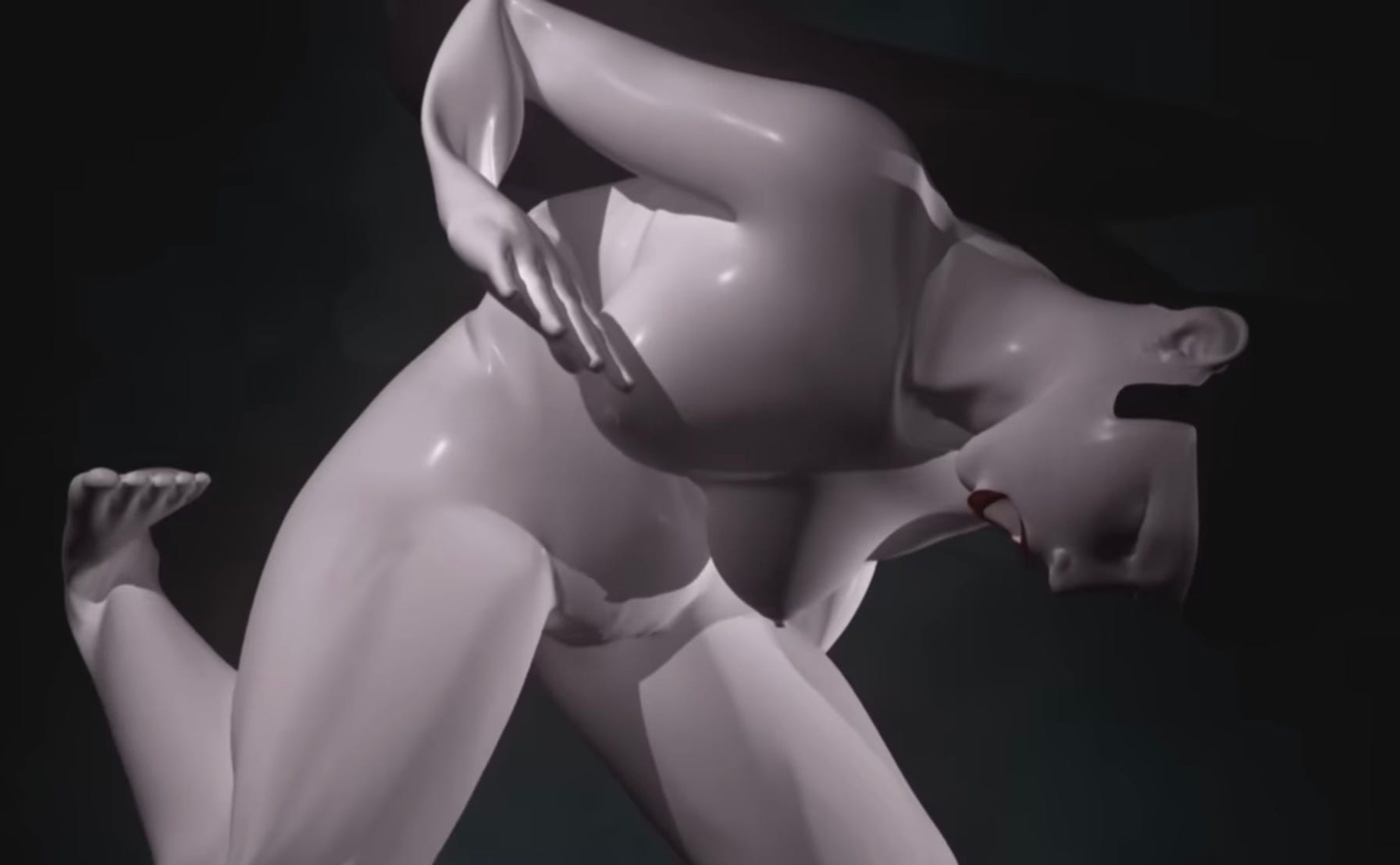
Figure 8 transitions into Twigs’s song I’m Your Doll— a tale of docility and the inability, and perhaps at times, unwillingness to free oneself from the binds of desirability politics as a woman. Women have been conditioned on a systemic and interpersonal level to value beauty, and view it as something intertwined with desirability, as opposed to two concepts that are linked by misogyny. Twigs is shown dressed in a white pajama top, pigtails adorning her head, dancing about the room before she approaches the man watching her. She approaches and leans into him.
Her face, mouth agape, then appears attached onto the head of a blow-up doll. As she is mounted by the man who observed her with lust in his eyes, she lays still beneath him, her own eyes observing the room and vision distorting. He bites and licks at her latex flesh, stains her with spit, and leaves her deflated atop the bed; a husk of her former self. Desirability can sometimes seem as though it is the end all, be all of womanly achievement.
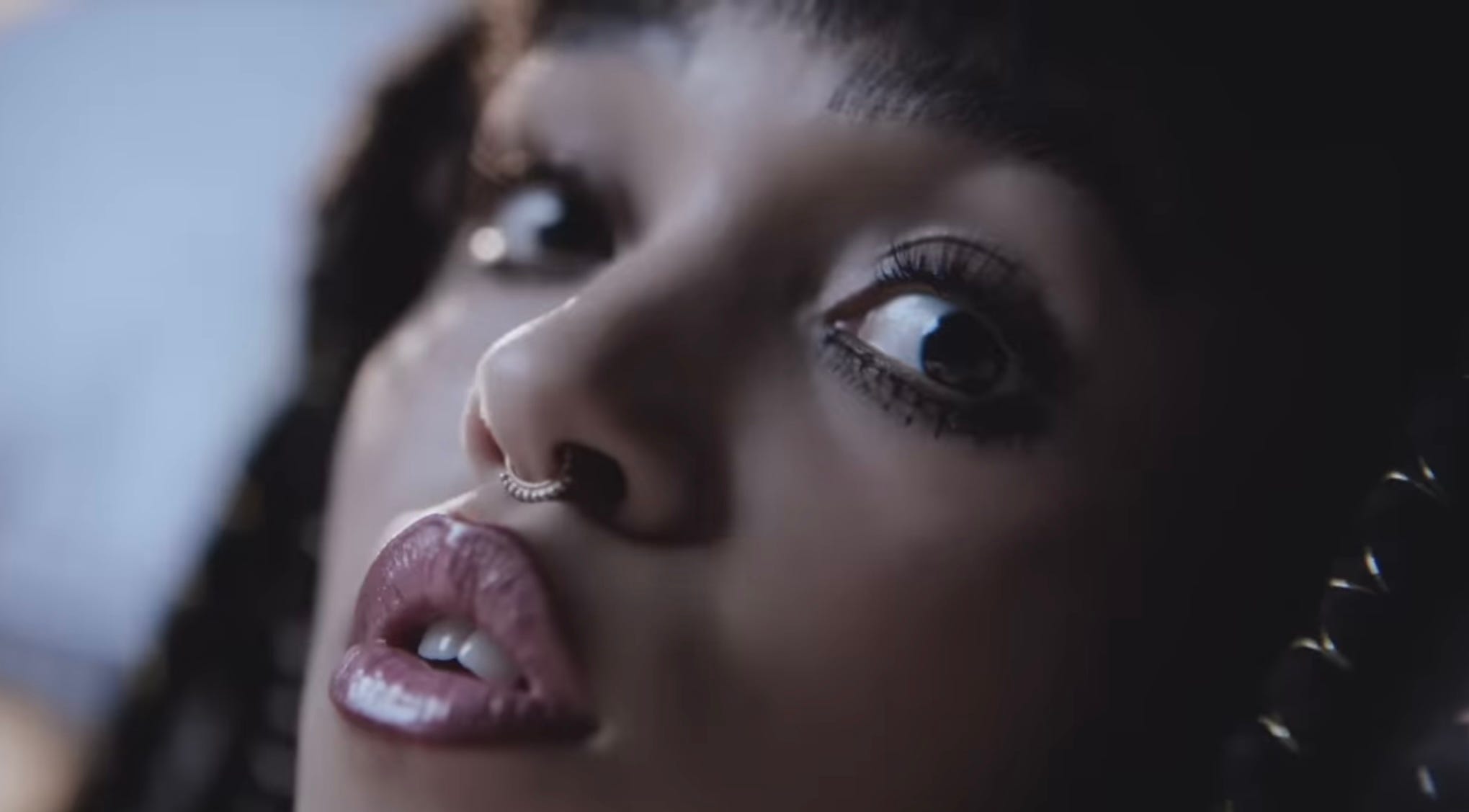
There is an unfortunate notion rattling about in the heads of many women: If this person sees me, if they want me, then maybe I am good; maybe they see beauty in what I have been told could never be so. I’m Your Doll explores the vulnerability in wanting to be desired enough that you are chosen over the other girls, and that maybe that doesn’t yield the results we feel we need in order to become whole.
In Time opens with FKA twigs awaking on a mattress in a stark white room, pregnant— unexpectedly— and dressed in an all white silk pajama set.
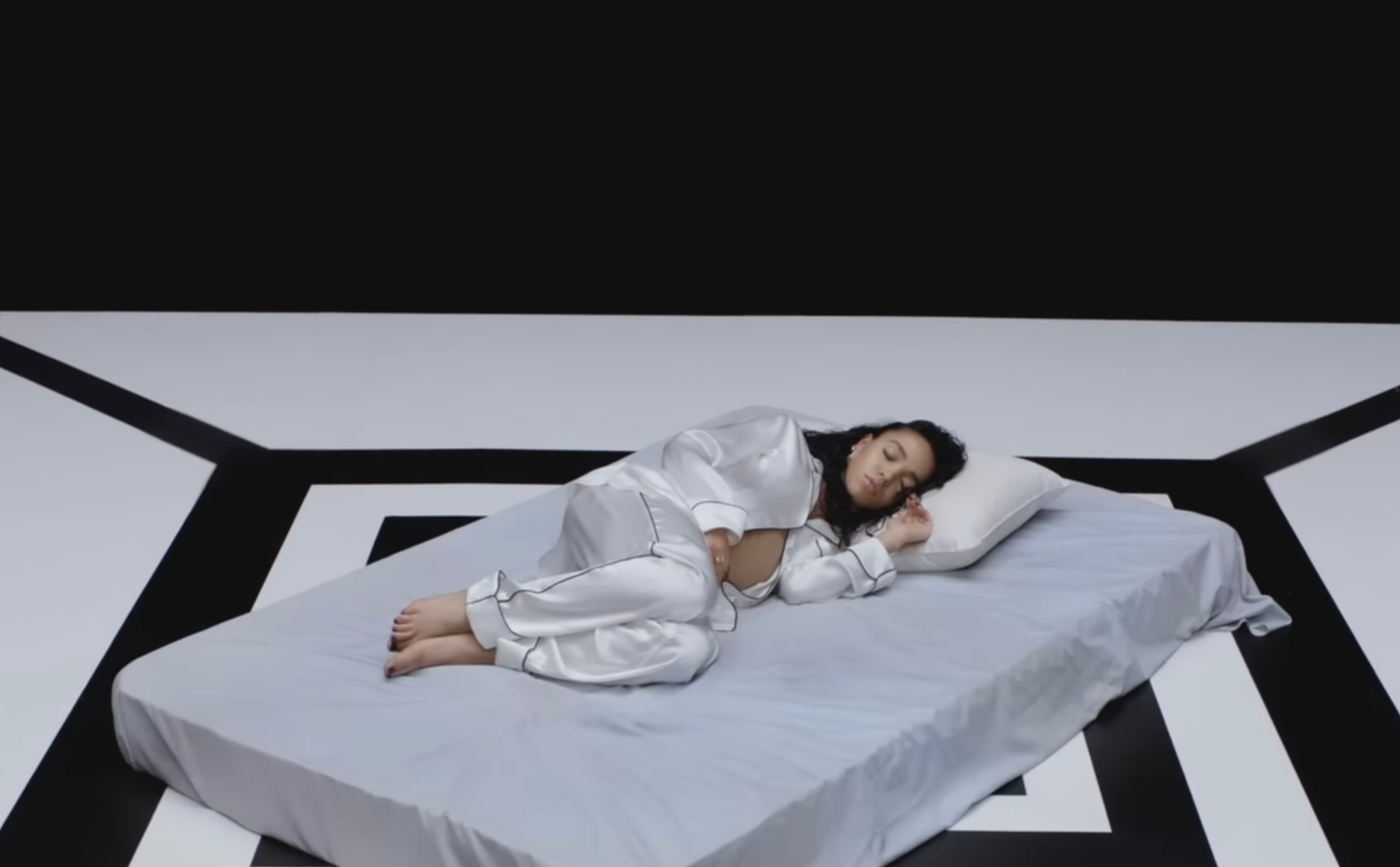
In Time features Twigs wearing a prosthetic pregnant belly, wearing all white, which alternates with a more confident version of herself aggressively dancing in a baggy denim set, and reaming the man she is addressing. After she expresses the pain of silence, docility and the ways in which she is mistreated, as a more masculine and actualized version of herself, the perspective transitions back to the formerly docile Twigs, now teeming with liberation.
There is perhaps something tragic to be said of the common desire women have to transcend the gender binary in order to gain respect, whether it be professional, platonic, or romantic. The act of retaining one’s womanhood while utilizing masculinity and bravado to attain a goal is one that Twigs depicts in a way that feels truly authentic to her experiences and personal need to express this dichotomy. Does it ever ache to want more? Does it ever feel easier to stay hidden and avoid the pain of losing what you believe to be love, in exchange for yourself? No longer pleading for compromise and understanding, the subject of Twigs’s audacious declaration watches in disgust as her water breaks, leading to her absolution and self realization. A myriad of color cascades from FKA Twigs. She dances and stomps about in it.
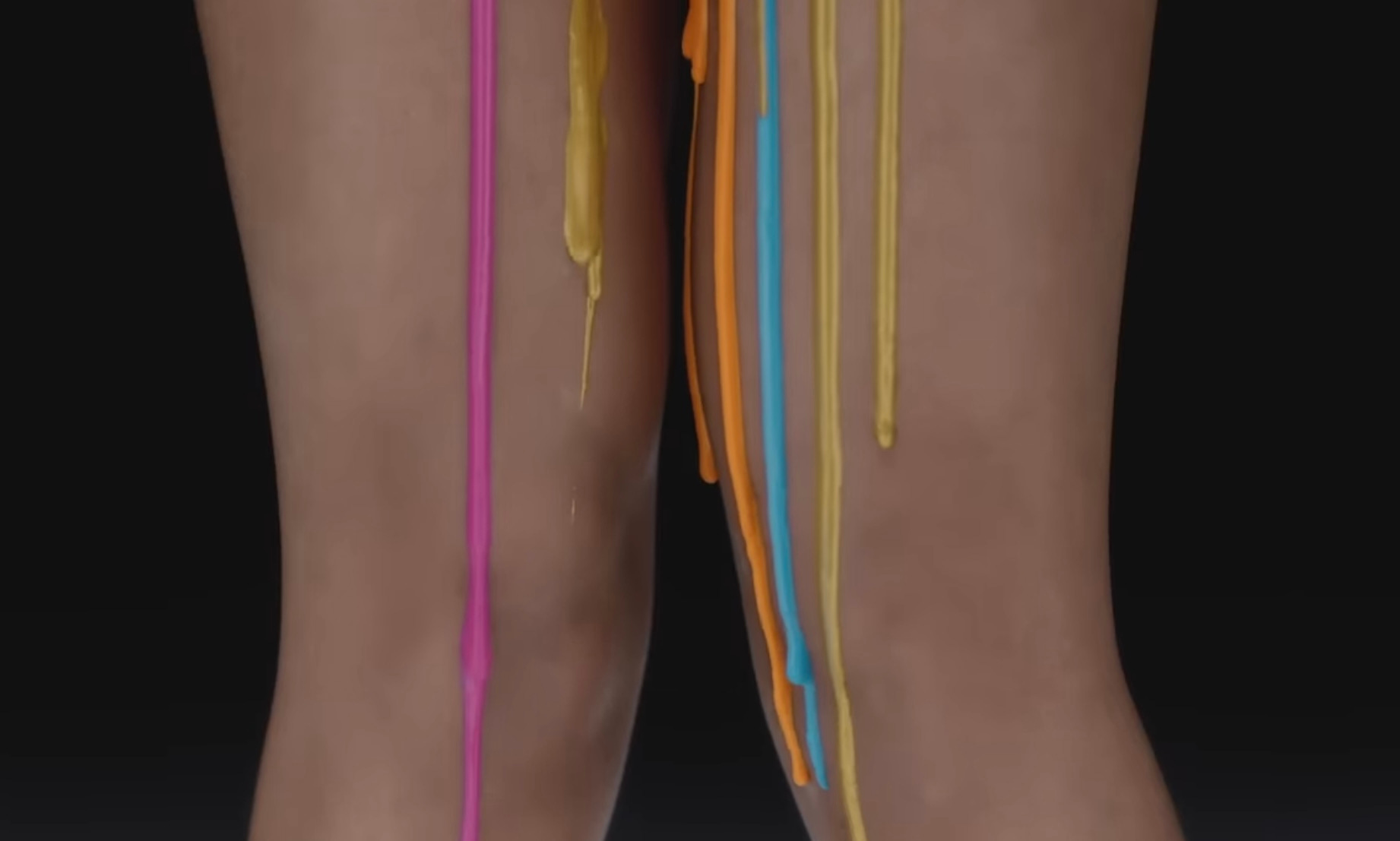
She then appears—again in all white—, and repeats herself once more. She is free.
The last act of M3LI55X is Glass & Patron. It opens with a shot of a van in a forest. Twigs is then seen laying in the van, wearing her previous white ensemble, and begins to frantically pull multicolored fabric from within herself. The fabrics begin to shroud various people as though they are emerging from her womb. They wander onto a stage where Twigs serves as a judge for a ballroom competition. She and the dancers perform as the song—a shift in tone and theme— plays.
The finalact of M3LI55X serves as Twigs’s declaration of self. She has sourced her pain and excised it. This is the swan song of someone refusing to be afraid or pigeonholed by desire or pain anymore. From within emerges a candescent, unabashed FKA Twigs.
My Substack is free and public, however I do accept tips on Cash App and Venmo under the tag JSMNRN.
beautifully written. sums up twigs’ vision perfectly