

Ugly Betty, 2000s Camp, and Inclusive Fashion

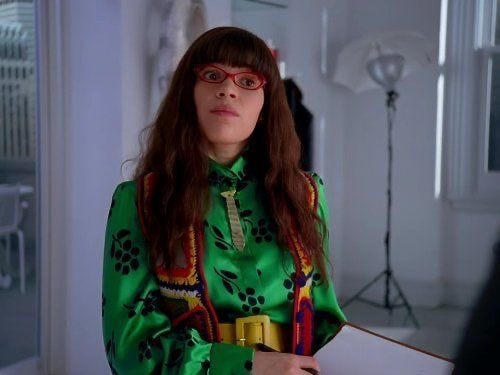
Ugly Betty’s titular character Betty Suarez was my patron saint of fat fashion. Betty, a budding journalist, has applied for a position with Meade publications (owned by the illustrious Meade family), and barely secured a position as an assistant to the editor-in-chief of MODE magazine (a likely fictionalized version of Vogue). MODE is the crème de la crème of the fashion world, and an unwelcoming home to Betty Suarez. She is characterized as frumpy, unstylish, and much too jubilant for her surroundings.
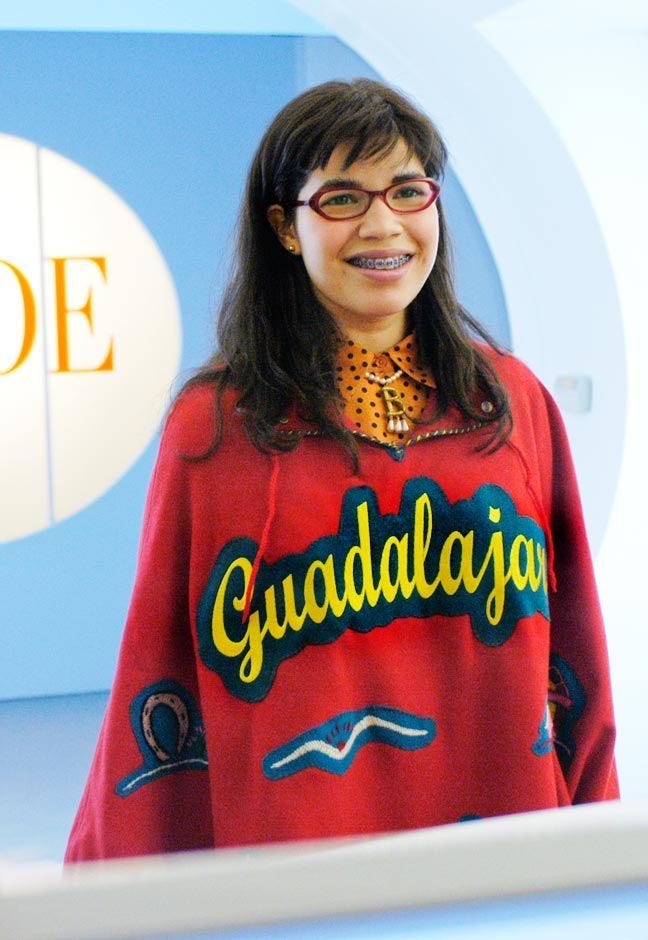
A traditional archetype of a nerd, Betty wears glasses, has braces for half of the series, and wears a multi-colored graphic poncho to her first day of work at MODE. She is meant to be a lowly underling to her peers, despite her journalistic talents and commendable goals. Betty Suarez is an ultimate manifestation of transgressive beauty and style, along with the likes of characters such as Penelope Garcia from Criminal Minds, and Harper from Wizards of Waverly Place.
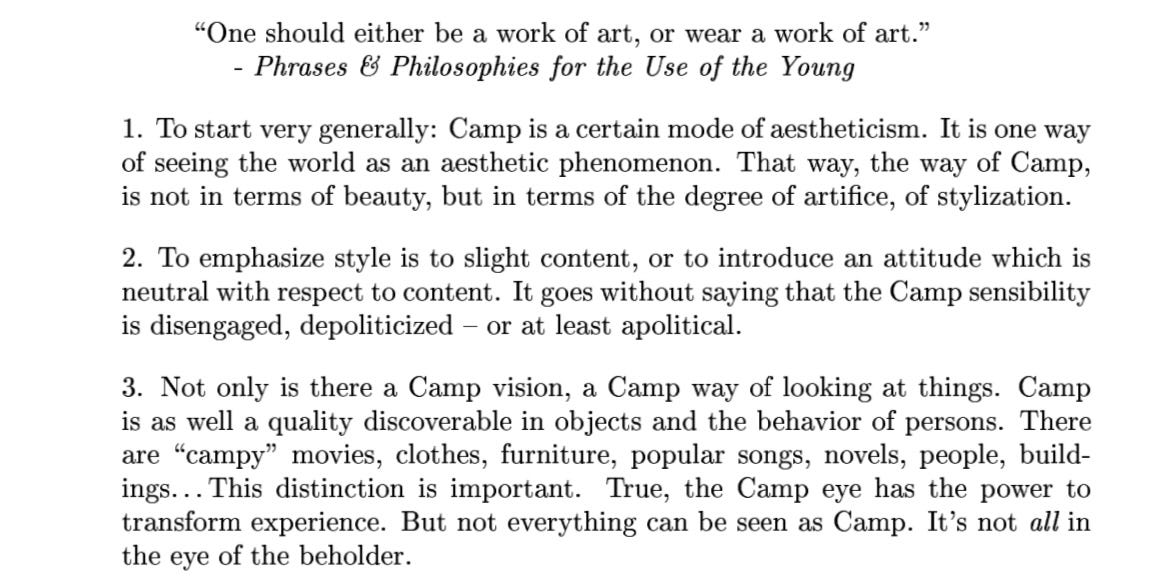
Ugly Betty is a masterclass in camp. Betty Suarez’s characterization aside, the show features an array of characters that subscribe to camp in various forms— from Wilhelmina (often characterized as a Cruella-esque figure), the outwardly cold yet lonely fashionista, to Mark, her snarky gay sidekick and his cohort. In Susan Sontag’s Notes on Camp, it is described as so:
There is no shortage of outlandish storylines and kooky and/or couture outfits to grant viewers a sense of upscale chaos.
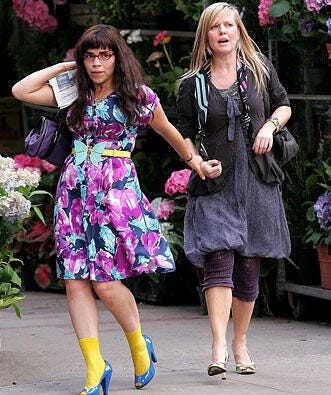
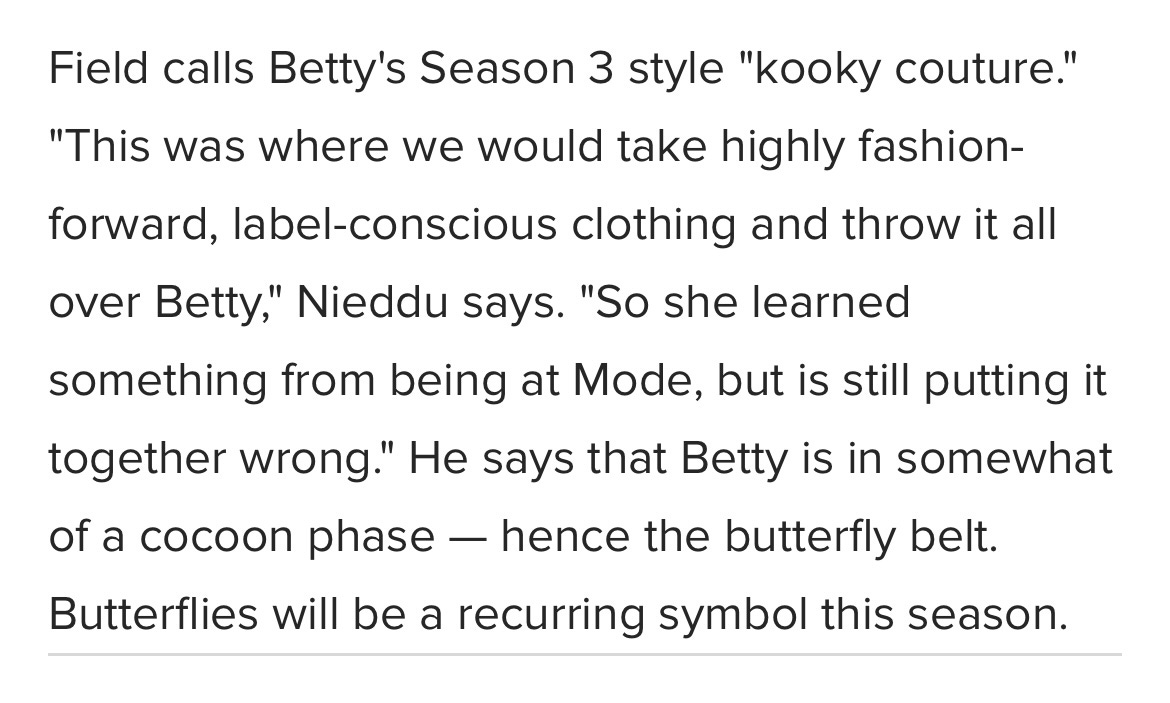
(Source: TV GUIDE)
With regards to the beauty politics within Ugly Betty, most of the women around Betty were thinner, “sexier”, and more stylish. Patricia Field served as the costume designer for Ugly Betty (as well as Sex & The City and The Devil Wears Prada). She notably created the infamous Guadalajara poncho, that is later seen hanging in Betty’s office, an homage to her former self. Betty ultimately has her braces removed, opts for sleeker eyeglasses, and more form flattering silhouettes such as peplums and outfits cinched at her waist by chunky belts. Her one trademark accessory however is the jeweled “B” necklace given to her by her late mother, a testament to her allegiance to self and family.

Betty was almost always styled to be the most outlandishly dressed in every interaction. Betty, the awkward younger sister to a stylish, confident, yet professionally unaccomplished older sister Hilda, often struggled to main her sense of self as she felt ostracized in both her professional and personal life.
Betty wore clothes that weren’t exactly fashion forward; a fan of primary colors, neons, chunky accessories, and bold patterns, Betty Suarez dared to present herself, as a fat woman, in a way that said “I’m here and I deserve to be”, much to the discontent of seemingly everyone around her. Ultimately, fashion has never been for fat people, especially Y2K fashion— the era of low rise jeans, crop tops, and “whale tails” wasn’t the best of times for fat people, particularly fat women. The purpose of fashion for fat people has always been to conceal or disguise our bodies. Dull or colors, unflattering silhouettes, and the Godforsaken cartoon character tops we’ve all seen, were—for quite some time— our most accessible options. Imagine The Devil Wears Prada if Andy weren’t thin and white; she’d be out of luck in the fashion department. Well, that was the reality of Betty Suarez.
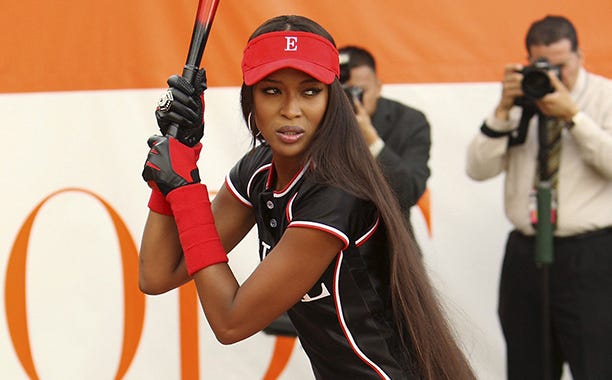
Ugly Betty was also no stranger to celebrity cameos. From Victoria Beckham playing a dramatized version of herself, to Naomi Campbell appearing as herself to play on the MODE softball team to Lindsay Lohan being cast as Betty’s high school bully, this series strived to prove that it had a place in the fashion and pop culture realms of the mid-aughts.

Fashion—particularly fast fashion— has become much more inclusive of fat people—of course, but with the resurgence of Y2K fashion trends, I find myself wondering if there will ever truly be a place for the average fat person within fashion. There are a plethora of clothing stores that refuse to even carry any size larger than a large or extra large, which is only one size above the average American woman. Body positivity hasn’t done enough for the people it was intended for; fat and disabled people are still disproportionately discriminated against in many areas of life.
Would Ugly Betty be a different show entirely if created now, during the age of body positivity? How much has actually changed in the time of body positivity and allegedly inclusive fashion? All in all, Ugly Betty is a one-of-a-kind treasure that existed during a time when fatphobia seemed to be at its peak (Ugly Betty aired from 2006 to 2010)—the grocery store tabloids blasting women for eating too much or too little serve as a fierce reminder of those times.
Crazy how the article keeps describing betty as “fat” when she’s like a size 10/12 tops.